Our Short List of 3
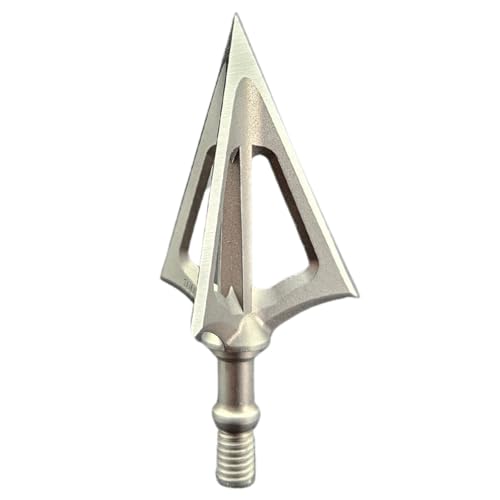
- Best for: Hunters who resharpen their own heads and want maximum toughness.
- Variant: 125 grain, 3-pack
- Construction: one-piece metal injection molded steel
- Blades: 3 fixed blades, cut-on-contact design
- Cutting diameter: 1-1/8 inch

- Best for: High-speed compound setups that need a low-drag fixed blade.
- Variant: 125 grain, 5-pack
- Ferrule: micro-grooved slimline ferrule
- Blades: fixed blades with Diamize sharpening, replaceable
- Cutting diameter: 1-3/16 inch

- Best for: Crossbow hunters who want rotation and a bone-splitting tip.
- Variant: 125 grain, 3-pack
- Ferrule: solid one-piece stainless steel, wider base diameter for crossbow bolts
- Blades: 3 fixed stainless steel blades, 0.035 inch thick, offset right-helical layout
- Cutting diameter: 1-3/16 inch
All 3 Picks at a Glance
| Product | Specs | Action |
|---|---|---|
| G5 Outdoors Montec 125 Grain |
| Check price on Amazon |
| New Archery Products Thunderhead 125 |
| Check price on Amazon |
| Muzzy Trocar Crossbow 125 Grain |
| Check price on Amazon |
Key takeaways
- Three 125 grain fixed blade broadheads compared for compound, recurve and crossbow hunters, with cuts, blade layouts and pack sizes matched to each setup.
Choosing a 125 grain fixed blade broadhead is mostly a decision about how the head is built. One-piece steel heads shrug off bone contact and can be resharpened season after season, while replaceable-blade designs give up a little of that toughness in exchange for fresh edges you can swap in minutes. Cutting diameter, ferrule shape and blade layout then decide how the head flies from your bow and how it behaves when it arrives.
This guide is for compound, recurve and crossbow hunters who have settled on 125 grains and want a fixed blade with no moving parts to fail. Each head below was picked from its Amazon listing name and specifications: a one-piece steel head, a slim-ferrule replaceable-blade head and a crossbow head with offset blades, so the three cover the main ways hunters build a 125 grain setup. None of them needs a collar, band or deployment check before the shot.
Quick Picks
As an Amazon Associate we earn from qualifying purchases.
| Product | Best for | Key spec from title |
|---|---|---|
| G5 Outdoors Montec 125 Grain | One-piece steel durability | 1-1/8 inch cut, 3-pack |
| New Archery Products Thunderhead 125 | Slim ferrule flight from fast bows | 1-3/16 inch cut, 5-pack |
| Muzzy Trocar Crossbow 125 Grain | Crossbow bolts | Offset blades, 3-pack |
How to Choose
Construction: One-Piece Steel or Replaceable Blades
A one-piece head is machined or molded from a single block of steel, so there are no screws, collars or seams to loosen on impact. That toughness matters when a shot meets rib or shoulder bone, and the edges can be honed back on a flat stone many times. Replaceable-blade heads take a different route: thin blades lock into a separate ferrule and can be swapped when damaged. They often fly a touch cleaner and sharpening becomes a parts change instead of a skill, but a hard bone hit can bend a blade or its mounting slot.
Cutting Diameter and Blade Layout
Cutting diameter decides the width of the wound channel, and the 125 grain class usually runs from 1-1/8 to 1-3/16 inches. A wider cut tends to leave a heavier blood trail, which helps on evening hunts and in thick cover, while a narrower head slips through bone with less resistance and asks less of lower-poundage bows. Blade layout matters alongside size. Straight blades track predictably, while offset or helical blades add rotation that can steady flight and keep the cut opening as the head passes through. Blade thickness plays a quieter role: thicker blades resist bending on bone, while thinner blades slip through soft tissue with less drag.
Ferrule Fit for Arrows and Bolts
A broadhead only flies well when its ferrule lines up with the shaft behind it. Standard heads use the common screw-in thread found on most arrow inserts, and their ferrule base is sized for typical carbon arrow diameters. Crossbow heads often carry a wider ferrule base that sits flush against larger bolt inserts, so the blade plane meets the shaft without a step. Fitting a wide-base head to a slim arrow leaves an overhanging lip that can catch and steer the arrow, so match the ferrule base to the shafts you actually shoot.
Flight Tuning and Practice Time
Fixed blades catch air in flight, so they rarely group with field points from an untuned bow. Plan on paper tuning or walk-back tuning with the actual heads, and check that each head spins true on its shaft with no wobble at the ferrule. Because hunting edges dull quickly in foam, many hunters keep one head from the pack as a dedicated practice head and reserve the rest for the quiver. Building that habit into your choice means pack size counts: a five-pack stretches further across a season than a three-pack.
The 3 Best Options
G5 Outdoors Montec 125 Grain
- Best for: Hunters who resharpen their own heads and want maximum toughness.
- Variant: 125 grain, 3-pack
- Construction: one-piece metal injection molded steel
- Blades: 3 fixed blades, cut-on-contact design
- Cutting diameter: 1-1/8 inch
Hunters who resharpen their own heads and want maximum toughness.
Edges need a stone and some skill to restore; there are no replacement blades to swap in.
The Montec suits hunters who want one head they can shoot, recover, hone and shoot again for years. Its one-piece body is formed by metal injection molding, so the ferrule and blades are a single piece of steel with no joints to work loose when a shot lands on bone. The cut-on-contact tip begins cutting at first touch rather than punching through first, and every head is spin tested before packing, which keeps flight consistent from head to head. It fits compound and recurve setups that use standard inserts.
New Archery Products Thunderhead 125
- Best for: High-speed compound setups that need a low-drag fixed blade.
- Variant: 125 grain, 5-pack
- Ferrule: micro-grooved slimline ferrule
- Blades: fixed blades with Diamize sharpening, replaceable
- Cutting diameter: 1-3/16 inch
High-speed compound setups that need a low-drag fixed blade.
Thin replaceable blades are less forgiving of direct bone hits than a one-piece steel head.
The Thunderhead suits faster compound bows where a slim profile helps flight. Its ferrule carries micro grooves and a narrow, tapered shape that reduces the steering effect fixed blades can have at higher speeds, and the blades are sharpened with the Diamize process for a fine, even edge out of the pack. Unlike the one-piece design above, the blades can be replaced when one bends or chips, so a damaged head returns to service with a blade change instead of a stone session. The five-pack leaves room for a dedicated practice head.
Muzzy Trocar Crossbow 125 Grain
- Best for: Crossbow hunters who want rotation and a bone-splitting tip.
- Variant: 125 grain, 3-pack
- Ferrule: solid one-piece stainless steel, wider base diameter for crossbow bolts
- Blades: 3 fixed stainless steel blades, 0.035 inch thick, offset right-helical layout
- Cutting diameter: 1-3/16 inch
Crossbow hunters who want rotation and a bone-splitting tip.
The wider ferrule base can overhang slim arrow inserts, so check the fit before using it on a vertical bow.
The Trocar Crossbow suits hunters whose 125 grain setup is built around a crossbow. Its ferrule base is wider than a standard head’s, so it sits flush against crossbow bolt inserts instead of leaving a lip behind the blades. The three blades are set with an offset, right-helical layout that adds rotation in flight and on impact, and the solid steel ferrule ends in the hardened Trocar tip made for splitting through bone. Blades are replaceable, and the same head can serve a vertical bow if the ferrule base matches your arrow inserts.
Which One Fits Your Situation
Compound Bow Hunting for Deer
Most deer hunters shooting a compound bow will land on the Montec or the Thunderhead. Pick the Montec if your shots are close, your cover is thick and you value a head that survives a shoulder hit and resharpens on a stone. Pick the Thunderhead if your bow is fast, your shots run longer and you would rather swap a bent blade than learn to hone one.
Crossbow Hunting From a Blind or Stand
Crossbow hunters should begin with the Trocar Crossbow, because its ferrule base is shaped for bolt inserts and its offset blades help a short, stiff bolt settle into rotation quickly. The Montec also works on bolts with standard inserts, but check that its ferrule base sits flush against your bolt’s insert face before committing a full quiver to it. Whichever head you mount, confirm your crossbow case and quiver guard cover the exposed blades.
Elk and Other Heavy-Boned Game
For elk, penetration and bone performance outrank cut width. The Montec’s one-piece steel body has the fewest failure points when a shot meets heavy rib, and the Trocar’s hardened tip is built for the same job from a crossbow. Whichever you carry, keep total arrow weight up, keep edges freshly honed and pass on quartering shots that ask the head to do too much.
Keeping One Head for Many Seasons
If you dislike buying heads every year, the Montec is the natural fit: one piece of steel, edges that return with a flat stone and a file, and nothing small to lose in the field. The Thunderhead and Trocar ask for spare blade sets instead, which suits hunters who would rather spend two minutes with a wrench than twenty minutes at a sharpening stone.
Common Mistakes
- Mixing 100 and 125 grain heads in one quiver, which shifts arrow balance and moves the point of impact between shots.
- Assuming broadheads will group with field points, then skipping tuning until the week of the hunt.
- Mounting a wide-base crossbow head on slim arrow inserts, leaving a lip that catches air and tissue.
- Practicing with hunting heads all summer and carrying the same dulled edges into the season.
- Choosing the widest cut available for a low-poundage bow that lacks the energy to push it through.
Frequently Asked Questions
Why choose 125 grains over 100 grains?
The extra 25 grains add weight at the front of the arrow, which raises front-of-center balance and helps the arrow carry energy downrange. Heavier heads also tend to quiet the bow and forgive small release errors. The trade is a slightly slower arrow and a bit more drop at longer distances, so the choice depends on your bow, your arrows and your typical shot length.
Can one fixed blade head serve both a compound bow and a crossbow?
Often, yes, because both use the same screw-in thread. The catch is ferrule fit: crossbow heads may use a wider base that matches bolt inserts, and that base can overhang a slim arrow insert. Spin the head on each shaft, check for wobble and confirm the ferrule sits flush before hunting with it on either setup.
How do I keep fixed blades flying straight?
Begin with a tuned bow, then spin test each head on its arrow and swap shafts until every combination runs true. Paper tuning exposes tears that point to rest or nock-height problems, and walk-back tuning confirms the group at hunting distances. Shoot the actual heads before the season, using one head set aside for practice so hunting edges stay sharp.
When should blades be resharpened or replaced?
Check edges after every shot into a target and after any hit on bone, dirt or wood. A blade that no longer catches a thumbnail or shaves cleanly needs attention. One-piece heads go back on a stone; replaceable blades that are bent, chipped or loose in the ferrule should be swapped for a fresh set rather than honed.